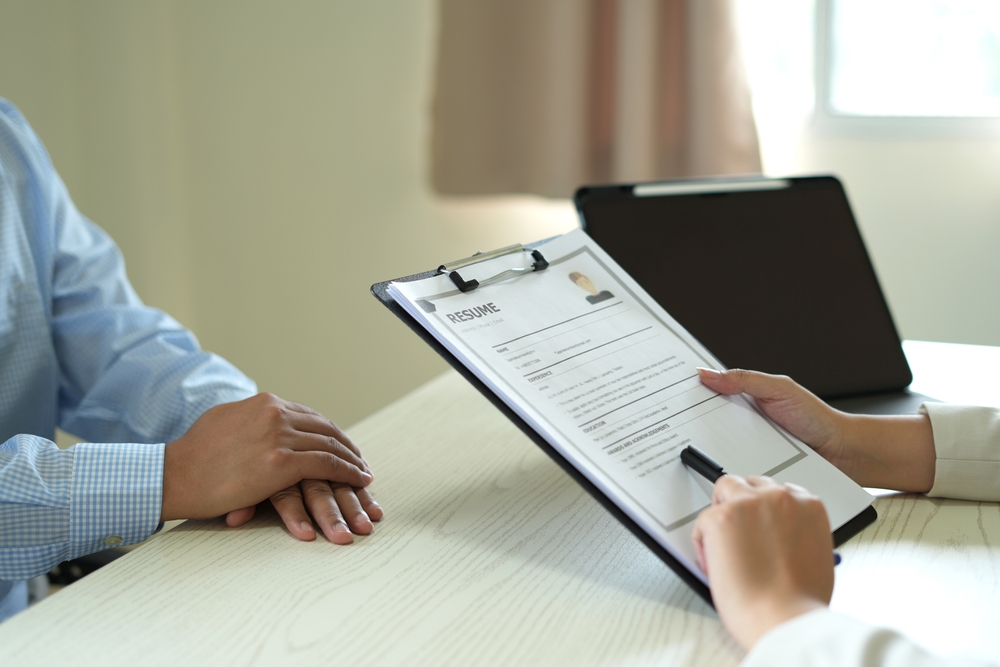
Many people feel anxious before a job interview, wondering how to make a good impression or speak with ease. The truth is, confidence is not something you’re born with it’s something you build through practice and preparation. When you know what to expect and how to present yourself, you start to feel calm and in control.
Advertisement
Building confidence for job interviews comes from understanding your strengths, preparing your answers, and believing that you have something valuable to offer. With the right mindset and simple steps, anyone can walk into an interview ready to speak clearly, stay relaxed, and perform their best.
Advertisement
Know What Employers Really Want
Confidence starts when you understand what interviewers truly value. They don’t expect perfect answers they want clear, honest, and thoughtful ones. Employers look for candidates who show self-awareness, genuine interest, and the ability to communicate ideas well. Before your interview, learn what matters most to the company.

Advertisement
Review the job description, company mission, and key skills they mention. Knowing this helps you tailor your answers and speak with purpose. Confidence grows when you realise you don’t have to impress everyone, you just need to show you understand what the role needs and how you can help.
- Explain that confidence grows when you understand what interviewers look for: clarity, honesty, and energy.
- Highlight that they don’t expect perfection just preparation and genuine answers.
Include a quick list:
- Know the company and role.
- Be clear about your strengths.
- Show genuine interest.
Read: How to Move to Canada: Immigration From Dubai to Canada
Prepare the Smart Way
Preparation builds confidence faster than anything else. Start by researching the company, knowing their products, goals, and values. Review the job post and list the main skills they want. Then, match those with your own strengths and experiences. Write out short, clear stories that show how you’ve used those skills before.
Practice answering common questions like Tell me about yourself or What are your strengths? Record yourself speaking to adjust your tone and pacing. Smart preparation turns fear into readiness. When you know your material well, you’ll speak naturally and come across as calm and confident.
- Stress that confidence comes from preparation, not guessing.
Give short, actionable steps:
- Learn about the company: mission, values, and recent updates.
- Review the job post: know what skills they value most.
- Practice your story: explain your skills and experience in simple, clear sentences.
- Rehearse common questions: such as Tell me about yourself, Why do you want this job?
Strengthen Your Body Language
Your body language can express confidence even before you say a word. Sit or stand straight with relaxed shoulders to show poise. Making natural eye contact shows attention and honesty. A simple smile makes you appear approachable and calm. Keep your hands visible and avoid crossing your arms, which can seem defensive. Nod slightly when listening to show engagement.
These small actions send powerful signals that you’re comfortable and in control. Practice your posture and gestures in front of a mirror before the interview. Confident body language makes interviewers believe in you, even before you start talking.
- Explain that body language speaks before words.
Simple fixes that boost confidence fast:
- Sit upright, shoulders relaxed.
- Maintain natural eye contact.
- Smile when greeting the interviewer.
- Keep your hands visible, not crossed.
Control Your Nerves Before the Interview
It’s normal to feel tense before an interview, but you can control those nerves. Arrive early to avoid rushing and give yourself time to breathe deeply. Inhale slowly, exhale calmly, and repeat a few times to relax your body. VVisualiseyourself sitting confidently and speaking clearly. Replace thoughts like What if I fail? with I’m ready to do my best.

Gentle movement, like walking or stretching, also helps release tension. Focus on what you can control your preparation, attitude, and breathing. Staying calm doesn’t mean you feel zero nerves; it means you manage them so they don’t control you.
Give fast, practical calming methods:
- Arrive early and breathe deeply for one minute.
- VVisualiseyourself speaking clearly and confidently.
- Replace negative thoughts with short, positive ones like I’m ready or I’ve got this.
- EEmphasisethat calmness grows through practice.
Read: UK Private School Scholarships 2025: How to Apply and Succeed
Speak with Clarity and Confidence During the Interview
Clear speech shows confidence and self-control. When answering questions, speak slowly and clearly. Avoid rushing your words, which can make you sound nervous. Pause briefly before answering it shows thoughtfulness. If you need time to think, say, That’s a good question; let me consider it. Keep answers short, focused, and relevant.
Avoid filler words like um or you know. Use simple language that anyone can understand. Confidence isn’t about sounding smart it’s about sounding sure. Speak as if you’re sharing useful information, not trying to impress. Clear communication helps the interviewer see you as capable, prepared, and professional.
Teach readers how to project confidence through speech:
- Speak slowly and clearly.
- Pause before answering.
- If unsure, say ,“That’s a great question. Let me think for a moment.”
- Keep answers short and focused.
Handle Tough Questions Without Fear
Tough questions can shake your confidence if you’re not prepared. The key is to stay calm and honest. If you don’t know an answer, admit it gracefully: I’m not sure yet, but I’m learning about it. This shows maturity and openness. When asked about mistakes or weaknesses, focus on what you learned from them. Employers respect honesty and self-improvement.
Practice turning challenges into growth stories ,for example, that experience taught me how to manage pressure better. Every tough question is a chance to show self-awareness and problem-solving skills. Confidence grows when you realise you can handle anything professionally.
Share practical phrases and mindset:
- If you don’t know something: “I’m not sure yet, but I’m learning about it.”
- If you made a mistake in a past job: “Here’s what I learned from that experience.”
- Explain that honesty plus a growth mindset always earns respect.
Build Confidence That Lasts Beyond One Interview
Confidence doesn’t end after the interview it grows with each experience. After every interview, reflect on what went well and what could improve. Write down questions you found tricky and how you might answer them next time. Keep updating your skills and knowledge to stay sharp. Confidence builds through progress, not perfection.

The more prepared and informed you become, the more naturally confident you’ll feel. Treat every interview as practice for the next opportunity. Over time, you’ll speak more comfortably, express yourself better, and project steady confidence that stays with you in every professional setting.
Encourage readers to keep improving through practice:
- Reflect after each interview on what went well.
- Note areas to improve next time.
- Keep learning new skills that make you more valuable.
- Remind them: the more interviews you do, the more confident you’ll become.
Read: Healthcare Jobs in Edinburgh: Nurses and Care Professionals Earning Up to £35,000 a Year
Building confidence for job interviews is about preparation, self-awareness, and mindset. When you understand what employers want, practice common questions, and focus on your strengths, you naturally feel more assured. Simple habits like good posture, clear speech, and steady breathing help you stay calm and professional.
Confidence grows with each interview and every bit of practice. By preparing well, believing in your skills, and keeping a positive attitude, you can walk into any interview ready to express yourself clearly and leave a lasting impression.