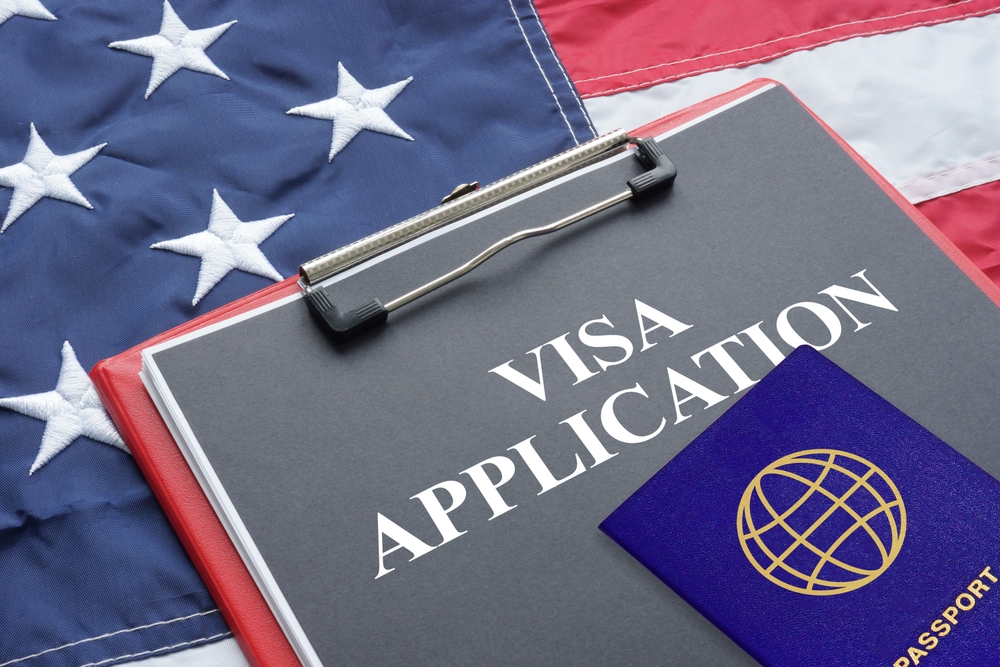
Achieving a high-paying position in the United States is a goal for many skilled professionals seeking career growth and global opportunities. With increasing demand for expertise in technology, healthcare, finance, and engineering, U.S. employers are actively looking for qualified talent to fill critical roles. Understanding the process, requirements, and strategies to connect with sponsorship-ready companies can make all the difference in achieving success.
Advertisement
This article provides step-by-step insights and practical advice for international professionals focused on How to Secure a $120k+ U.S. Visa Sponsorship in 2026: A Complete Guide, offering actionable tips to reach your career and financial goals in the U.S.
Advertisement
Understanding Employer-Sponsored Visas in the U.S.
Employer-sponsored visas allow foreign professionals to work legally in the U.S., providing companies access to highly skilled talent that may not be available domestically. The process involves a sponsoring employer demonstrating that hiring a foreign worker will not displace local employees. Common steps include receiving a job offer, labour market verification (if required), filing a visa petition with USCIS, and attending a visa interview for approval.

Advertisement
These visas typically target professionals with specialised skills in technology, finance, healthcare, or engineering. Understanding how employer sponsorship works helps candidates prepare proper documentation, improve eligibility, and navigate the U.S. immigration system efficiently.
The sponsorship process generally involves:
- Receiving a Job Offer: Your employer formally offers you a position requiring your skills.
- Labour Market Verification (if applicable): Employers may need to show attempts to hire U.S. candidates first.
- Visa Petition Filing: The employer submits your petition to U.S. Citizenship and Immigration Services (USCIS).
- Visa Approval and Issuance: Upon approval, you attend a visa interview and gain authorisation to work in the U.S.
Read: Writing the Perfect Thank-You Email Post-Interview
Why U.S. Companies Are Sponsoring Talent in 2026
U.S. companies continue to sponsor foreign professionals due to a combination of skill shortages, globalisation, and evolving labour market demands. Industries such as AI, cybersecurity, healthcare, and software development require specialised knowledge that is often scarce domestically. Hiring global talent allows companies to drive innovation, remain competitive, and maintain operational excellence.
Additionally, multinational corporations prioritise workforce diversity and international expertise. Government policies in 2026 are expected to support high-demand sectors while maintaining labour protections for U.S. workers. Understanding these market trends helps candidates identify opportunities, align their skills with employer needs, and strategically target sponsorship-ready organisations.
Several factors make foreign talent highly desirable for U.S. employers:
- Critical Skill Shortages: Industries like AI, software development, cybersecurity, and healthcare face talent gaps.
- Globalisation of Workforces: Diverse teams fuel innovation and help companies remain competitive.
- Evolving Immigration Policies: While immigration rules fluctuate, the demand for high-skilled professionals is expected to remain strong in 2026.
Do You Qualify for High-Paying Visa-Sponsored Roles?
To qualify for a high-paying visa-sponsored role, candidates typically need relevant academic credentials, such as a bachelor’s or master’s degree in STEM, finance, or business. Professional experience demonstrating expertise and industry knowledge is critical, along with specialised skills in high-demand areas like AI, software engineering, data science, or healthcare.
Employers often look for measurable achievements, certifications, and professional contributions that highlight a candidate’s value. Demonstrating leadership, problem-solving skills, and documented results can strengthen an application. Candidates who meet these criteria are more likely to attract sponsorship offers and secure long-term employment, paving the way toward career growth and potential U.S. residency.
High-paying sponsored positions often require:
- Educational Background: Bachelor’s or master’s degree in STEM, finance, business, or related fields.
- Professional Experience: Several years of relevant work demonstrating expertise.
- Specialised Skills: AI, software engineering, data science, healthcare, or finance expertise.
- Proven Achievements: Certifications, publications, awards, or notable industry contributions.
Best U.S. Work Visas in 2026
Choosing the right U.S. work visa depends on your qualifications and career goals. The H-1B visa is ideal for professionals in speciality occupations, offering a pathway to employer-sponsored Green Cards but with a competitive annual cap. L-1 visas suit multinational employees transferring to U.S. offices, providing long-term stability and potential EB-1C Green Card eligibility.
The O-1 visa targets individuals with extraordinary achievements in arts, science, or business, while EB-1 visas provide priority employment-based Green Cards for top-tier professionals and executives. Understanding eligibility, duration, benefits, and challenges of each visa category helps candidates select the most strategic route.
Navigating U.S. work visas can be overwhelming, but choosing the right category improves your chances of success. Here’s a breakdown of the most relevant visas:
H-1B Visa (Speciality Occupations)
- Who it’s for: IT professionals, engineers, and healthcare specialists.
- Duration: 3 years, extendable to 6.
- Key Benefits: Employer-sponsored Green Card option via EB-2 or EB-3.
- Considerations: Highly competitive; lottery system with 85,000 visas per year.
L-1 Visa (Intracompany Transferees)
- Who it’s for: Employees transferring from a foreign office to the U.S. branch.
- Duration: L-1A: up to 7 years (managers/executives), L-1B: up to 5 years (specialised knowledge).
- Benefits: Pathway to EB-1C Green Card for executives/managers.
- Challenges: Requires strong proof of a multinational corporate structure.
O-1 Visa (Extraordinary Ability)
- Who it’s for: Professionals with exceptional achievements in sciences, arts, business, or education.
- Duration: Initial 3 years, extensions available yearly.
- Benefits: No annual cap; dual intent allows Green Card pursuit.
- Challenges: Must document extraordinary accomplishments with letters of recommendation and awards.
EB-1 Visa (Priority Employment-Based Green Card)
- Who it’s for: Individuals with exceptional ability, outstanding researchers, and multinational executives.
- Benefits: Direct Green Card, priority processing, no labour certification needed.
- Challenges: Strict eligibility criteria requiring proof of significant achievements.
Comparing Key U.S. Work Visas in 2026
H-1B visas serve IT, healthcare, and engineering professionals, capped at 85,000 annually, with 3–6-year durations and Green Card eligibility through EB-2 or EB-3. L-1 visas cater to multinational employees, allowing transfers within a corporate structure, lasting 5–7 years with a Green Card path via EB-1C. O-1 visas suit extraordinary achievers, offering renewable three-year terms and dual intent for Green Cards.
EB-1 visas grant permanent residency to top professionals, researchers, and executives with no labour certification required. Comparing these visas helps candidates align skills, professional achievements, and career objectives with the best possible U.S. work authorisation pathway.
Strategies for Finding Employers That Sponsor Visas
Finding sponsorship-ready employers requires focused research and networking. Use specialised job boards such as LinkedIn Jobs, MyVisaJobs, Dice.com, and H1BGrader to identify companies with a history of sponsorship. Refine searches with terms like “H-1B sponsorship” on Indeed or Glassdoor. Tailor resumes and cover letters to highlight visa-relevant skills, certifications, and achievements.
Attend industry events, engage with recruiters, and network through professional groups to uncover hidden opportunities. Prioritising multinational companies and firms with prior sponsorship experience increases your chances of receiving an offer. Strategic job search efforts combined with preparation significantly improve sponsorship success rates.
Job Boards Specialising in Sponsorships:
- LinkedIn Jobs: Use filters for H-1B or visa sponsorship.
- MyVisaJobs & H1BGrader: Employer sponsorship history databases.
- Dice.com: Tech-focused sponsorship opportunities.
- Indeed & Glassdoor: Search using “visa sponsorship” keywords.
Effective Job Search Tips:
- Customise your resume and cover letter to highlight visa-relevant skills.
- Network aggressively with recruiters, professional groups, and industry events.
- Target multinational companies with a proven sponsorship record.
- Research companies that frequently sponsor H-1B or other work visas.
High-Paying Industries for Visa Sponsorship
Visa sponsorship opportunities are most abundant in sectors facing talent shortages. Technology companies seek software developers, AI engineers, data scientists, and cybersecurity specialists. Healthcare providers require doctors, nurses, and medical researchers. The finance industry demands investment bankers, actuaries, and financial analysts. Engineering firms hire civil, mechanical, electrical, and aerospace engineers.
Professionals with specialised knowledge in these sectors can command high salaries and attract employer sponsorship. By aligning skills with industry demand, candidates increase their likelihood of securing competitive roles. Staying informed about labour trends and in-demand skills ensures eligibility for top-paying U.S. visa-sponsored positions.
Foreign talent is especially in demand in sectors with skill shortages:
- Technology: AI engineers, data scientists, cybersecurity experts, software developers.
- Healthcare: Physicians, nurses, medical researchers.
- Finance: Investment bankers, actuaries, financial analysts.
- Engineering: Civil, mechanical, electrical, and aerospace engineers.
Step-by-Step Visa Sponsorship to Green Card Process ssssssssssssssssssssssssssssssss
Securing a U.S. work visa often leads to permanent residency through a structured process. Begin by obtaining a job offer from a sponsoring employer. If required, the employer completes a labour certification (PERM) to ensure no adverse impact on U.S. workers. The employer then files an I-140 petition establishing eligibility. Candidates apply for adjustment of status (I-485) or consular processing depending on their location.
Biometrics, background checks, and interviews follow. Once approved, the applicant gains work authorisation and, eventually, a Green Card. Planning relocation, housing, and compliance with U.S. work regulations ensures a smooth transition to employment and residency.
- Secure a Job Offer: Apply for positions and receive an offer from a sponsoring employer.
- Labour Certification (PERM): Employer demonstrates no negative impact on U.S. workers.
- File I-140 Petition: Employer submits a petition establishing visa eligibility.
- Adjustment of Status / Consular Processing: Apply for U.S. work authorisation.
- Biometrics & Interview: Fingerprints, background checks, and an in-person interview.
- Visa Approval & Green Card Issuance: Receive work authorisation and permanent residency.
- Relocation and Work Authorisation: Arrange travel, housing, and compliance with U.S. work regulations.
Read: High-Paying Jobs for International Students in the USA No Experience Required
Securing a $120k+ U.S. visa sponsorship in 2026 offers international professionals the chance to work in high-paying roles across technology, healthcare, finance, and engineering. Success requires understanding visa categories like H-1B, L-1, O-1, and EB-1, meeting eligibility criteria, and targeting employers with a history of sponsorship.
By enhancing specialised skills, showcasing achievements, and following a structured application process, candidates can obtain work authorisation and potentially a Green Card. This comprehensive guide provides actionable strategies, industry insights, and step-by-step guidance to help professionalsonalsonals achieve their goal of legal employment and career growth in the United States.