
Finding a job abroad is an exciting opportunity to advance your career, experience new cultures, and earn higher compensation. However, the process comes with risks, as not every offer is legitimate. Many job seekers fall victim to scams that promise great salaries, visas, or placements but are actually traps to steal money or personal information. Knowing the right steps to protect yourself can make a huge difference.
Advertisement
How to Avoid Scams When Searching for Work Abroad, in this guide, you will learn practical and straightforward methods for avoiding scams when searching for work abroad, helping you secure safe and genuine opportunities with confidence.
Advertisement
Recognize Red Flags
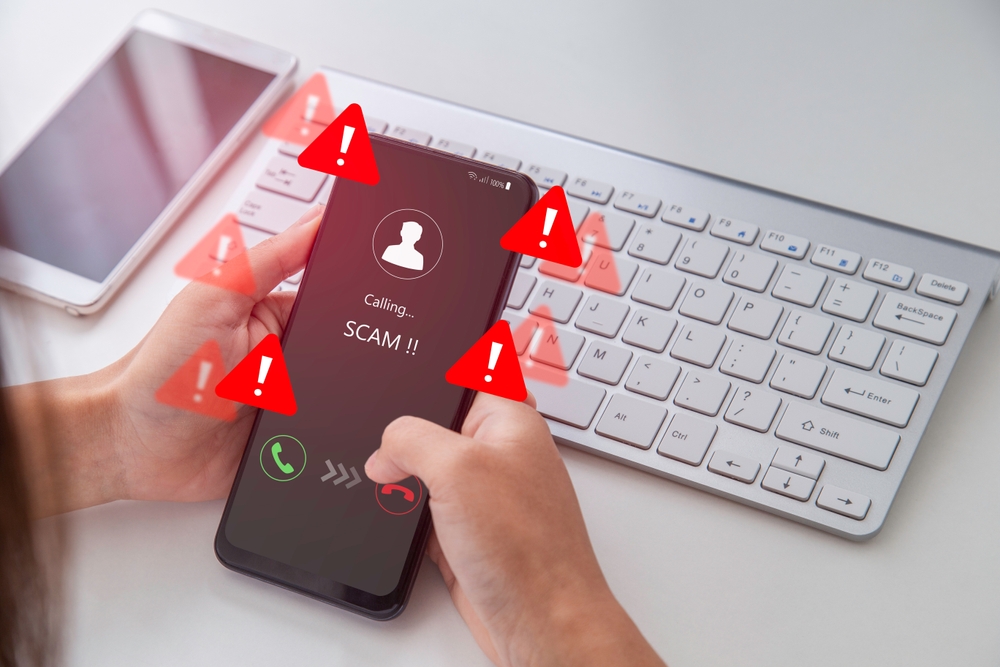
Scammers use simple tactics to lure job seekers. Watch for requests for money upfront for visas or placement. Vague job descriptions or promises of unusually high pay are common warning signs. Be cautious if the employer pressures you to act fast or keeps communication secret. Emails full of grammar errors or unprofessional formatting are also red flags.
Advertisement
Trust your instincts if something feels off, it likely is. Recognising these red flags early saves time, money, and stress. Always pause and verify before giving any personal information or committing to a job.
Explain common warning signs of work-abroad scams:
- Asking for money upfront for “job placement” or “visa processing.”
- Vague job descriptions or promises of unrealistic salaries.
- Unprofessional communication (e.g., generic emails, poor grammar).
- Pressure to act fast or secrecy requests.
- Give short examples to make it relatable.
Read: High-Paying Jobs for International Students in the USA No Experience Required
Use Trusted Sources Only
Always start your job search with reputable sources. Government programs, embassy websites, and official recruitment agencies provide verified opportunities. Trusted international job boards also list legitimate positions. Before applying, check the company’s official website, contact information, and online presence. Avoid unknown platforms or social media-only listings that can hide scams.
When in doubt, search for reviews and reports from previous applicants. Sticking to trusted sources reduces the risk of scams significantly. Reliable platforms save time and provide verified opportunities, making your job search abroad safer and more effective.
List reliable platforms and organisations for finding work abroad:
- Official government work programs and embassy websites.
- Reputable international recruitment agencies.
- Well-known job boards for foreign employment (mention a few trusted ones).
- Encourage verification by checking company registration, reviews, and online presence.
Verify Job Offers and Employers
Never accept a job without proper verification. Start by confirming the company’s website, phone number, and location. Check online reviews and forums for feedback from previous employees. Request a formal contract with all details, including salary, duties, and working conditions. Verify visa requirements and work permits to ensure legality. If an employer refuses to provide information or makes excuses, treat it as a warning.
Taking these verification steps ensures you are dealing with legitimate companies and reduces the risk of fraud. Always be thorough scammers rely on rushed decisions and lack of research.
Explain how to fact-check a job before committing:
- Confirm the company website and contact info.
- Search for reviews on independent forums and social media.
- Ask for official contract details before payment.
- Check for legal work permits and visa requirements.
- Provide step-by-step verification tips.
Avoid Financial Traps
Legitimate employers never ask you to pay for job placement. Be cautious if a company asks for upfront fees for visas, training, or documentation. Official government fees should always be paid directly through authorised channels. Avoid wire transfers, gift cards, or any non-traditional payment methods. When payment is necessary, use secure, traceable methods. Scammers rely on financial pressure and urgency to trick job seekers.
Protect your money by confirming every request, understanding legal requirements, and refusing suspicious payments. Being careful with money is a simple, effective way to avoid scams when searching for work abroad.
Give safe alternatives:
- Government fees (visa, work permit) are paid directly through official channels.
- Use secure payment methods when necessary.
- Warn against common financial red flags like wire transfers or gift cards.
Protect Your Personal Information
Sharing personal information too early can put you at risk. Avoid giving passport copies, bank details, or other identification before confirming the job’s legitimacy. Use secure platforms for communication and avoid public Wi-Fi when sending documents. Keep sensitive information private and limit sharing to verified, trusted employers. Scammers use personal details for identity theft or financial fraud, which can have long-lasting consequences.
Protecting your information is as important as verifying job offers. Always ask yourself: “Do I know this person or company well enough to trust them with this information?” If not, wait and verify.
Advice on what not to share:
- Passport copies, bank details, or personal ID before confirming legitimacy.
- Sensitive info on unofficial platforms.
- Encourage secure communication and avoid public Wi-Fi when sharing documents.
Report Scams and Seek Help
If you encounter a scam, reporting it helps protect others. Contact national consumer protection agencies or labour departments. International labour organisations also track fraudulent recruiters and scams. Share your experience on forums or social media groups for expatriates and job seekers abroad. Connecting with online communities helps you spot patterns and learn about known scams.
Reporting scams not only aids authorities but also informs other job seekers, creating a safer network. Don’t feel embarrassed anyone can be targeted. Taking action turns a negative experience into a positive step toward safer work-abroad opportunities.
Provide resources for reporting scams:
- National consumer protection websites.
- International labour organisations.
Encourage community sharing:
- Forums, social media groups, and expat networks for warnings and advice.
Read: UK NHS Visa Sponsorship Jobs for Foreign Workers in 2025 – A Complete Guide
Working abroad offers great opportunities, but scams are common. By recognising red flags, using trusted sources, verifying employers, avoiding upfront payments, and protecting personal information, you can safely secure legitimate jobs. Reporting suspicious activity also helps others. Following these steps ensures a safer, more confident search and increases your chances of finding genuine work abroad.