
Moving to a new country brings fresh opportunities, but it also comes with financial challenges that many people do not expect. One of the biggest is starting over with credit. Even if you had strong credit in your home country, lenders in your new location cannot see it. This can make renting a home, getting a phone plan, or qualifying for a loan difficult.
Advertisement
Learning how to Build Credit Abroad as a New Immigrant helps you avoid delays, high costs, and financial stress. With the right steps, you can create a solid credit profile using simple tools already available to you. This guide explains clear, practical actions that help new immigrants build trust with lenders, gain access to better financial options, and establish long-term stability in their new home.
Understand How Credit Works in Your New Country
Every country uses its own credit system, credit bureaus, and scoring rules. Lenders track how you borrow, how often you pay on time, how much credit you use, and how long your accounts stay open. Having no credit history makes lenders cautious because they cannot measure risk. This affects approval for loans, rentals, phone plans, and even utilities.
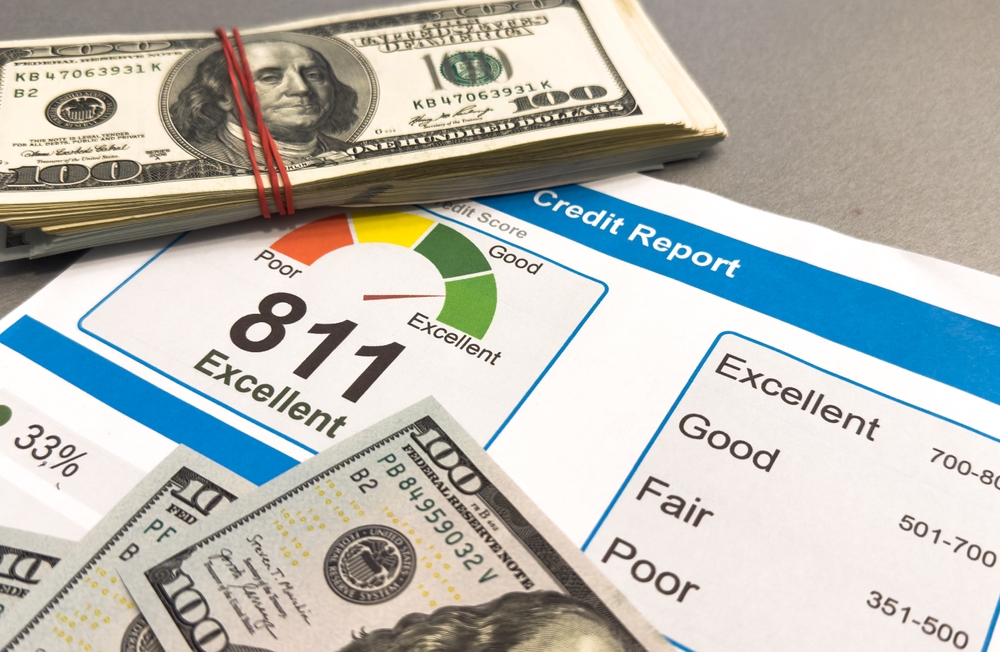
Understanding these basics helps you avoid mistakes early. You do not need to master the system, but you must know that on-time payments and responsible use matter more than income alone.
Explain only what matters:
- Credit scores are country-specific.
- Lenders track payment history, credit use, and account age.
- No credit is not bad credit, but it limits access to loans, rentals, and utilities.
Read: Best Countries Offering Immigration Through Investment in 2025
Open a Local Bank Account Immediately
A local bank account is the foundation of your financial life in a new country. Employers, landlords, and service providers often require one. More importantly, banks use your account activity to verify your identity and financial behaviour. Many banks offer newcomer accounts with lower fees and flexible requirements. Typical documents include a passport, visa, proof of address, and local ID if available. Choose a well-known bank with strong digital services. This account helps you qualify for credit cards, loans, and other tools that report to credit bureaus.
Cover:
- Why local bank accounts matter for credit building.
- Documents commonly required (passport, visa, address, ID).
- Why major banks are more immigrant-friendly than smaller lenders.
Get a Starter Credit Card Made for New Immigrants
Starter credit cards help new immigrants build credit safely. Secured cards require a refundable cash deposit that becomes your credit limit. Beginner or newcomer cards may not require deposits but have lower limits. Some international banks consider your foreign banking relationship. Use only one card at first. Spend small amounts, keep usage under 30% of the limit, and pay the full balance every month. This creates a positive payment history without interest charges. Over time, this single card can raise your score and unlock better financial products.
This is a high-value section.
Include:
- Secured credit cards (cash deposit required).
- Beginner or newcomer credit cards.
- Cards offered by international banks with global history programs.
Explain:
- How to use the card correctly.
- Keep spending below 30% of the limit.
- Pay the full balance every month.
Use Alternative Credit-Building Tools
Alternative tools help build credit when traditional options are limited. Credit builder loans report monthly payments without giving upfront cash. Rent and utility reporting services add payment history to your credit file. Some fintech apps track subscriptions and phone bills. These tools work best when combined with a credit card. Always confirm that they report to official credit bureaus in your country.
Avoid services with high fees or unclear reporting. Used correctly, alternative tools strengthen your credit profile, improve score consistency, and show lenders that you manage real-world financial obligations responsibly.
Explain modern options simply:
- Credit builder loans.
- Rent reporting services.
- Utility and phone bill reporting.
- Fintech apps that report payments to credit bureaus.
Become an Authorised User (If Possible)
Becoming an authorised user allows you to benefit from someone else’s good credit history. A trusted family member or partner adds you to their credit card account. Their payment history and account age may reflect on your credit report. Choose someone with low balances and perfect payment habits. You do not need to use the card to benefit. Avoid accounts with late payments or high usage. This method can speed up early credit growth, but it depends entirely on the primary cardholder’s financial behaviour.
Explain clearly:
- What an authorised user is.
- How does it help build credit history faster?
- Risks to avoid (late payments, high balances).
Pay Every Bill On Time, Every Month
Payment history has the biggest impact on credit scores. Even one late payment can slow progress, especially early on. Pay rent, phone bills, utilities, and credit cards before the due date. Set automatic payments whenever possible. If cash flow is tight, pay the minimum amount at least. Missed payments stay on credit reports for years and reduce trust with lenders. On-time payments show reliability and discipline. This habit alone can make the difference between fast credit growth and long-term financial setbacks.
Stress this without repeating:
- Payment history matters most.
- One late payment can hurt early credit growth.
- Set auto-pay for rent, phone, utilities, and cards.
Avoid Common Credit Mistakes New Immigrants Make
Many new immigrants damage their credit without realising it. Applying for multiple credit cards at once creates too many hard checks. Maxing out credit limits signals risk. Closing accounts too early shortens credit history. Ignoring credit reports allows errors to grow. Falling for instant approval offers often leads to high fees and interest. Credit building is slow but predictable. Focus on one card, low usage, and perfect payments. Avoid shortcuts. Steady behaviour produces stronger scores and better financial options over time.
Bullet list only:
- Applying for too many cards at once.
- Maxing out credit limits.
- Ignoring credit reports.
- Falling for “instant credit” offers with high fees.
This improves trust and reader retention.
Check Your Credit Report Regularly
Checking your credit report helps you track progress and catch errors early. Reviewing your own report does not lower your score. Many countries allow free credit reports from major bureaus. Look for incorrect balances, missed payments, or accounts you do not recognise. Errors can block approvals and raise costs. Check every three to four months, especially during your first year. Monitoring builds awareness and control. A clean and accurate credit report improves trust with lenders and protects you from identity and reporting issues.
Explain:
- Why checking does not hurt your score.
- How to spot errors early.
- How often to check (every 3–4 months).
How Long Does It Take to Build Credit as a New Immigrant
Credit building takes time, but results appear faster with the correct steps. In the first one to three months, accounts begin reporting activity. After six months, most people have a usable credit score. After twelve months of consistent behaviour, better cards, lower interest rates, and stronger approvals become available. Speed depends on payment history, credit use, and account stability. There is no instant fix, but there is a clear path. Patience and consistency matter more than income or background.
Be realistic:
- 1–3 months: first credit activity shows.
- 6 months: score becomes usable.
- 12 months: access to better rates and cards.
Read: How to Build a 6-Figure Remote Career from Any Country
Building credit as a new immigrant starts from scratch, but it is fully achievable with the right approach. Open a local bank account, get a beginner or secured credit card, pay all bills on time, and keep credit use low. Alternative tools like rent reporting or credit-builder loans can help, and becoming an authorised user can speed up progress. Regularly checking your credit report ensures accuracy and prevents mistakes. With consistent actions over months, you can establish a strong credit history, gain access to better financial products, and secure long-term financial stability in your new country.