Advertisement
Choosing the correct visa is one of the most important steps when planning a trip to the United States. Many people feel confused by the number of options available and are unsure which visa fits their purpose. The U.S. immigration system is structured around specific goals such as travel, work, study, business, or permanent residence. Each option comes with its own rules, limits, and benefits. This guide explains **USA Visa Types: Which One is Right for You?** in a clear and simple way, helping you understand what each visa allows and who it is meant for. By understanding your purpose and the visa requirements, you can avoid costly mistakes and apply with confidence.
How to Choose the Right USA Visa
Choosing the right USA visa starts with one clear question: why do you want to go to the United States? The U.S. visa system is purpose-based, meaning each visa fits a specific goal. If you want to travel, study, work, invest, or live permanently, there is a visa designed for that purpose. Picking the wrong visa can lead to rejection or future bans. This guide helps you match your reason for travel with the correct visa type. When you understand your goal, length of stay, and allowed activities, the right visa becomes easy to identify.
Advertisement
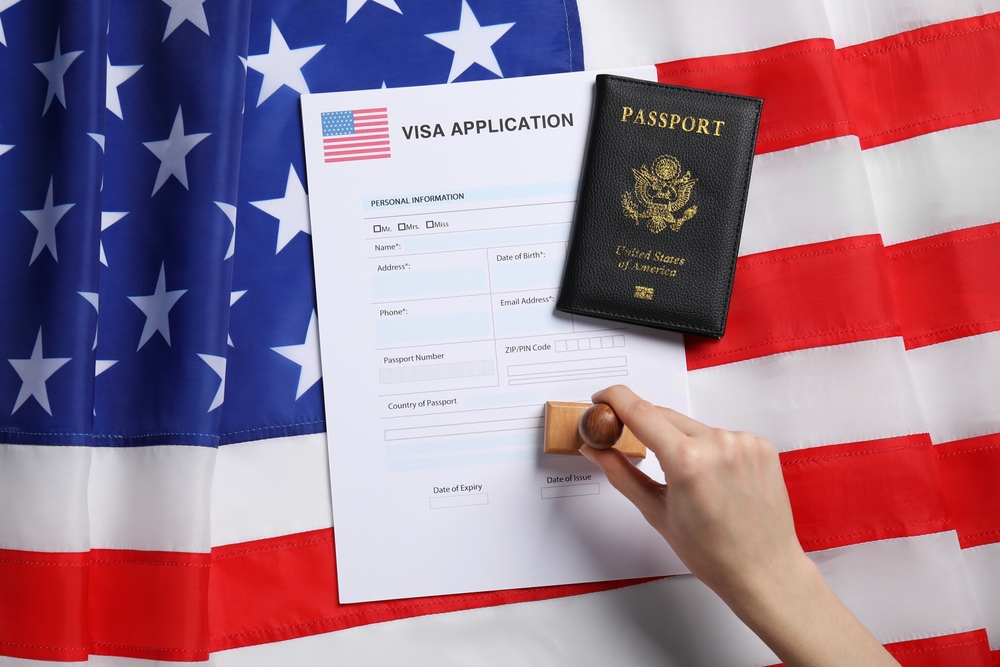
- The right USA visa depends on why you want to enter the United States
Main purposes:
Advertisement
- Tourism or short visits
- Work or business
- Study or exchange programs
- Family reunification
- Long-term residence or permanent stay
- This guide explains each visa type in plain terms so you can match your goal to the correct visa
Read: High-Paying Jobs for International Students in the USA No Experience Required
Visitor Visas (Short-Term Stay)
Visitor visas suit people who plan a short stay in the United States without working. The B-1 visa allows business activities like meetings, conferences, or contract discussions, but it does not allow paid work. The B-2 visa covers tourism, vacations, visiting family, and medical treatment. Some travellers qualify for the Visa Waiver Program, which allows entry for up to 90 days without a visa. These visas are temporary and require proof that you will return home. They are ideal for travellers who want flexibility without long-term commitments.
B-1 Visa (Business Visitor)
- Attend meetings, conferences, or negotiations
- No paid work allowed
B-2 Visa (Tourism & Medical)
- Vacation, family visits, medical treatment
Visa Waiver Program (ESTA)
- For citizens of approved countries
- Stay up to 90 days without a visa
Student & Exchange Visas
Student and exchange visas support education and cultural programs in the United States. The F-1 visa fits students attending universities, colleges, or language schools. The M-1 visa is for vocational or technical training programs. The J-1 visa supports exchange visitors such as interns, trainees, teachers, researchers, and cultural participants. Each visa has rules about work, length of stay, and program sponsorship. Applicants must show proof of school admission, financial support, and intent to return home. These visas help students gain education and global experience legally and safely.
F-1 Visa
- Academic studies at universities or colleges
M-1 Visa
- Vocational or technical programs
J-1 Visa
- Exchange programs, interns, trainees, researchers
Work & Employment Visas
Work visas allow foreign nationals to work legally in the United States for a specific employer or purpose. The H-1B visa supports skilled professionals in fields like technology, engineering, and healthcare. The H-2A and H-2B visas cover seasonal agricultural and non-agricultural jobs. The L-1 visa allows companies to transfer employees to U.S. offices. The O-1 visa is for individuals with extraordinary ability. Most work visas require employer sponsorship and have time limits. These visas support economic growth while protecting U.S. labour standards.
H-1B Visa
- Skilled professionals (IT, engineering, healthcare)
H-2A Visa
- Seasonal agricultural workers
H-2B Visa
- Seasonal non-agricultural workers
L-1 Visa
- Company transfers to U.S. offices
O-1 Visa
- Individuals with exceptional ability
Business & Investment Visas
Business and investment visas serve entrepreneurs and investors who want to operate in the United States. The E-1 visa is for treaty traders conducting substantial trade with the U.S. The E-2 visa suits investors who start or buy a business and actively manage it. The EB-5 visa allows investors to seek permanent residence by creating jobs through large investments. These visas require proof of funds, lawful income sources, and business activity. They attract serious investors and business owners looking for long-term opportunities in the U.S. market.
E-1 Visa
- Treaty traders
E-2 Visa
- Treaty investors
EB-5 Visa
- Investors seeking permanent residence through job creation
Family-Based Visas
Family-based visas allow U.S. citizens and permanent residents to reunite with close relatives. Immediate Relative Visas apply to spouses, parents, and unmarried children under 21 of U.S. citizens and have no annual limits. Family Preference Visas cover extended relatives like siblings and adult children, but they involve longer wait times. Applicants must show genuine family relationships and financial sponsorship. These visas help families live together legally in the United States. Processing times vary depending on relationship type and country of origin.
Immediate Relative Visas
- Spouses, parents, and unmarried children under 21 of U.S. citizens
Family Preference Visas
- Extended family members
- Longer processing times
Immigrant Visas (Permanent Residence)
Immigrant visas allow foreign nationals to live permanently in the United States. Employment-based green cards include EB-1, EB-2, and EB-3 categories for skilled workers, professionals, and priority talents. The Diversity Visa Lottery offers a limited number of green cards to applicants from eligible countries. Refugees and asylum seekers may also qualify for permanent residence. These visas require background checks, medical exams, and proof of eligibility. Immigrant visas offer long-term stability, work freedom, and a path to U.S. citizenship.
Employment-Based Green Cards
- EB-1, EB-2, EB-3 categories
Diversity Visa Lottery
- Available to eligible countries
Refugee & Asylum Status
- For protection and humanitarian reasons
Special Purpose & Temporary Visas
Special-purpose visas serve unique situations not covered by standard categories. The K-1 fiancé visa allows a foreign fiancé to enter the U.S. to marry a citizen. The R-1 visa supports religious workers. P visas cover athletes and entertainers performing in the U.S. T and U visas protect victims of trafficking or serious crimes who assist law enforcement. These visas have strict eligibility rules and documentation requirements. They exist to address humanitarian, cultural, and legal needs while maintaining the immigration system.
K-1 Fiancé Visa
- Marriage to a U.S. citizen
R-1 Visa
- Religious workers
P Visa
- Athletes and entertainers
T & U Visas
- Victims of trafficking or crime
Simple Comparison Table (Highly Recommended Section)
A comparison table helps readers quickly understand visa differences without confusion. It clearly shows visa type, main purpose, allowed length of stay, work permission, and green card eligibility. This section saves time and reduces mistakes by placing key details in one place. Readers can scan, compare, and identify the visa that fits their goal. This format improves understanding for first-time applicants and keeps users engaged longer. Clear comparisons also help travellers avoid applying for the wrong visa and facing delays or denials.
- Visa Type
- Main Purpose
- Length of Stay
- Work Allowed (Yes/No)
- Path to Green Card (Yes/No)
Read: UK NHS Visa Sponsorship Jobs for Foreign Workers in 2025 – A Complete Guide
Understanding USA visa options helps you choose the correct path for travel, work, study, business, or permanent residence. Each visa type is designed for a specific purpose and comes with clear rules and limits. By matching your reason for visiting the United States with the right visa, you reduce the risk of rejection and delays. Knowing the differences between visa categories allows you to plan better, apply correctly, and move forward with confidence.

 Online Gists
 Online Gists